information

Whoever comes in this website may find a hint

Phage therapy is influenced by:

Phage therapy is influenced by:

Country :
the epidemiological situation is different from country to country in terms of circulating bacteria and bacteriophages. Example: a lytic phages from Italy may be no active on the same bacteria (genus and species) isolated from another country and vice versa.
Chronolability
Mutation rate
Phenotypical delay
Phage cocktail
My point of view

From Wikipedia


If the target host* of a phage therapy treatment is not
an animal the term "
biocontrol" (as in phage-mediated biocontrol of bacteria) is usually employed, rather than "phage therapy".

"In silico"

From:"Genomics,Proteomics and Clinical Bacteriology", N.Woodford and Alan P.Johnson

Phrase that emphasizes the fact that many molecular biologists spend increasing amounts of their time in front of a computer screen, generating hypotheses that can subsequently be tested and (hopefully) confirmed in the laboratory.

Showing posts with label Short stories from Sellano's castle and its territory. Show all posts

Sunday, 4 October 2015

Saturday, 18 October 2014

IT 5210045 :Fiume Vigi ,a Special Area of Conservation (SAC) inside of the Sellano territory


Now is a  Special Area of Conservation by a law.


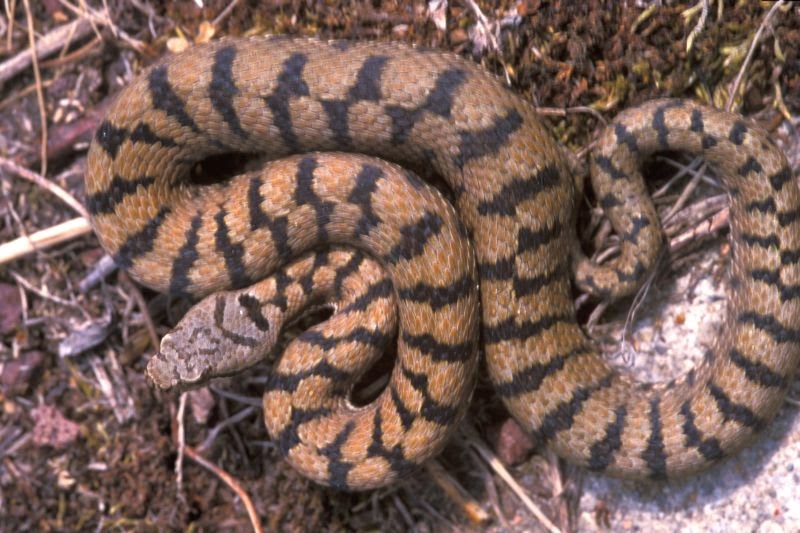
 Some animals  in this area:


From Wikipedia:

"A Special Area of Conservation (SAC) is defined in the European Union's Habitats Directive (92/43/EEC), also known as the Directive on the Conservation of Natural Habitats and of Wild Fauna and Flora. They are to protect the 220 habitats and approximately 1000 species listed in annex I and II of the directive which are considered to be of European interest following criteria given in the directive. They must be chosen from the Sites of Community Importance by the State Members and designated SAC by an act assuring the conservation measures of the natural habitat.
SACs complement Special Protection Areas and together form a network of protected sites across the European Union called Natura 2000. This, in turn, is part of the Emerald network of Areas of Special Conservation Interest (ASCIs) under the Berne Convention"
 
 
Seventh updated list of sites of Community importance for the Continental biogeographical region:


 Fiume Vigi


Friday, 12 September 2014

Saturday, 2 August 2014

The fall of the Florentine Republic: historical connections with some condottieri, Sellano and other Umbria Towns


"L'Assedio di Firenze", the most famous , novel of Francesco Domenico Guerrazzi.
 This original book edition  is in my bookcase.

Events

 Florentine Republic (wikipedia)


Siege of Florence (1529-30)(wikipedia)


Condottieri

Francesco Ferrucci(wickipedia)


Malatesta II Baglioni (1491 – 24 December 1531) 
was an Italian condottiero and lord of Perugia, Bettona, Spello and other lands in Umbria.


Giampaolo di Ceri
                            ( Giampolo dell' Anguillara o Giampaolo Orsini)

Sellano's castle destruction and Battle of Gavinana

 His father was Renzo di Ceri ( Lorenzo dell' Anguillara) a famous condottiero.
With  him, Giampaolo di Ceri arrived to Spoleto in July 1522 with 200 cavaliers and one company of Corsicans.
Frequently the young Giampaolo di Ceri  followed his father when he left for the war.

On August 6th,1522 , Renzo di Ceri, the commander in chief of 7000 soldiers ( and his son) left from Spoleto marching  in the direction of the rebellious castles: Campello, Pissignano, Acera, Spina,Agliano,Postignano, Camero,Orsano and Sellano.

Sellano's castle after the surrender was destroyed and set on fire.

 Giampaolo di Ceri, 8 years after (1530) was the aide-de-camp of Francesco Ferrucci  and in the battle of Gavinana was at the rear of the florentine troops.  Giampaolo di Ceri and Francesco Ferrucci  were captured together but Francesco Ferrucci was killed by Maramaldo while Giampaolo di Ceri, as soldier of fortune, was ransomed.

The Battle of Gavinana

 (from the Regione Toscana web site )


Francesco Ferrucci, the commander in chief of 4,000 infantry men and 400 cavalier officers left Pisa on July 31, 1530 in hopes of avoiding a military skirmish with the imperial forces of Carlo V from Maramaldo. Armed with the best of intentions, he chose a trail that wound its way through the mountains of Pistoia, the Val di Bisenzio and the Mugello. Followed by the troops of Marmaldo, Ferrucci arrived in Gavinana, not knowing that the Prince of Orange had already left Florence to meet him, after having sacked San Marcello.

Surrounded and unable to make use of his artillery, the Florentine commander was forced to play his last desperate card in order to squelch the efforts of his adversaries. During the battle of August 3, soldiers participated in full body combat in the surrounding forests. The Prince of Orange himself was killed. Victory seemed guaranteed for the Florentines, yet the tide turned and only a handful of brave men were then left to fight. Fanfulla da Lodi (one of the thirteen knights of the challenge of Barletta) participated in the skirmish. Ferrucci tried to pull together his last defenses. Covered with wounds, but not yet done in, Francesco Ferrucci was executed in the village square. It is estimated that nearly 10,000 men died during this battle, which became a highly appreciated point of reference during the Resurgence for its patriotic value.


M  Giampaolo dell'Anguillara  (Giampaolo di Ceri)

Title: seigneur di Ceri


  • Deceduto(dead) circa 1560

Genitori ( Parents)

Matrimoni(Marriages), figli e i nipoti (children and nephews)

Fratellastri e sorellastre (half-brothers and half-sisters)

Dalla parte di Lorenzo dell'Anguillara , seigneur di Ceri e di Capranica , nato nel 1475 o nel 1476 , deceduto il 20 gennaio 1536 (lunedì)

Title
Seigneur di Ceri, Vico, Caprarola, Capranica, Vetralla, Carbognano et Ronciglione.


Anteprima dell’albero ( Family tree)

Lorenzo Orsini , seigneur di Monterotondo 1410-1452 Clarice Orsini
|
10
|
11


|
Giovanni dell'Anguillara , seigneur di Ceri †ca 1510 Giovanna Orsini
|
4
|
5


|
Lorenzo dell'Anguillara , seigneur di Ceri 1475/1476-1536 Lucrezia Orsini †1508
|
2
|
3


|
Giampaolo dell'Anguillara , seigneur di Ceri †ca 1560


Albero d'ascendenza (ancestors)

      Albero di discendenza ( descendants)


Monday, 28 July 2014

Christus nobiscum.State

Motto:


1570: Ferrara  Earthquake


"CHRISTUS NOBISCUM.STATE" is an  invocation to God against the earthquakes and  in Italy it is written on the door jambs of some churchs or  carved on the medieval  bells.


 From"Paul's Cross and the Culture of Persuasion in England, 1520-1640"
by W.J.T. Kirby,P.G. Stanwood


The votive tablet on a door jamb:


Sunday, 20 July 2014

Saturday, 12 July 2014

Places and historical edifices around Sellano's town

By  key colors:

Luogo=Place, example  Acquapremula
Luogo=Place, example  Abruzzo

Chiesa=Church
Castello =Castle
Palazzo=Palace
nucleo rurale=rural settlement
villa di transito=small village
sorgente di acqua minerale= mineral spring water


Acquapremula (Sellano) Chiesa ed ex-convento di S. Niccolò (origini sec. XIII) con sorgenti di acqua minerale);
Abruzzo (Sellano) nucleo rurale;
Apagni (Sellano) castello di pendio: Chiesa di S. Giovanni Battista (sec. XV);
Biscina (Sellano) nucleo rurale: Chiesa di S. Biagio (sec. XVI);
Calcinaro (Sellano) nucleo rurale;
Cammoro (Sellano) castello di pendio: Chiesa parrocchiale di S. Maria Novella (sec. XVI), Chiesa di S. Lucia (sec. XIII), Chiesa di S. Maria del Rosario (sec. XV);
Casale (Sellano) villa di transito: Chiesa di S. Maria delle Grazie o di S. Rocco (sec. XVII);
Casaino (Sellano) nucleo rurale;
Casaletto (Sellano) nucleo rurale: Chiesa santuario di S. Paterniano (sec. XVI);
Catacomba (Sellano) nucleo rurale: Chiesa di S. Nicola (sec. XVI);
Celle (Sellano) nucleo agricolo;
Ceseggi (Sellano) villa di transito: Chiesa di S. Martino (sec. XV), Chiesa della Madonna del Monte santuario di confine con Cerreto di Spoleto (sec. XIV);
Civitella (Sellano) castello di poggio: Chiesa di S. Lorenzo (sec. XV), Chiesa di S. Pietro in Tutorio (sec. XIII);
Civitella (Sellano) nucleo rurale;
Colle (Sellano) villa di transito: Chiesa di S. Agata (sec. XVI);
Colletrampo (Sellano) nucleo rurale: Chiesa di S. Donato (sec. XVII);
Fonni (Sellano) villa di transito: Chiesa di S. Biagio (sec. XVI);
Forfi (Sellano) castello di pendio: Chiesa di S. Giuseppe (sec. XVII), Chiesa di S. Pietro (sec. XII), Chiesa di S. Antonio (sec XV);
Le Terne (Sellano) villa di transito: Chiesa di S. Pietro (sec. XVII);
Le Vene (Sellano) villa di transito: Chiesa di S. Chiara (sec. XIV);
Mocali (Sellano) villa di transito: Chiesa di S. Anna (sec. XV);
Molini (Sellano) villa di transito: Chiesa di S. Michele Arcangelo (sec. XVII), Edicola della Pietà (sec. XVI);
Montalbo (Sellano) villa di transito: Chiesa di S. Severino (sec. XIV);
Montesanto (Sellano) castello di poggio: Chiesa di S. Maria antica pieve (sec. XVI), Cappella della Madonna della Porta (sec. XVI), Chiesa di S. Anna (sec. XVII), Chiesa di S. Lucia (sec. XVI), Palazzo Comunale (sec. XVI) ed altri palazzetti gentilizi;
Orsano (Sellano) castello di poggio: Chiesa di S. Maria Assunta (sec. XIV), Chiesa di S. Maria delle Consolazione (sec. XVI);
Ottaggi (Sellano) villa di transito: Chiesa di S. Barbara (sec. XV);
Paraonda (Sellano) nucleo rurale: Chiesa di S. Lorenzo (sec. XVII);
Peneggi (Sellano) villa di transito: Chiesa di S. Apollinare (sec. XIII), Chiesa di S. Giuseppe (sec. XVII);
Petrognano (Sellano) villa di transito: Chiesa di S. Silvestro (sec. XV), Chiesa della Madonna della Croce santuario (sec. XVI);
Piaggia (Sellano) villa di transito: Chiesa di S. Flaviano (sec. XVII);
Piaggiarella (Sellano) villa di transito;
Piano d'Orsano (Sellano) nucleo rurale: Chiesa di S. Bernardino (sec. XVII);
Pié di Cammoro (Sellano) villa di transito: Cappella di S. Maria della Pace (sec. XVI), resti dell'antico ospedale di S. Spirito;
Postignano (Sellano) castello di pendio: Chiesa di S. Primiano o S. Lorenzo (sec. XIV), Chiesa di S. Maria del Piano (sec. XV), antico mulino idraulico funzionante;
Pupaggi (Sellano) villa di transito: Chiesa di S. Sebastiano (sec. XIV), Chiesa della Madonna della Ginestra santuario campestre (sec. XVII);
Renaro (Sellano) villa di transito: Chiesa di S. Giovanni Battista (sec. XV), Chiesa di S. Lucia (sec. XVI);
S. Donato (Sellano) nucleo rurale: ruderi della Chiesa di S. Donato (sec. XIV);
S. Martino (Sellano) villa di transito: Chiesa di S. Martino (sec. XIII);
Setri (Sellano) villa di transito: Chiesa di S. Cristoforo (sec. XVI);
Sterpare (Sellano) villa di transito: Chiesa di S. Maria del Carmine (sec. XVI);
Torre di Cammoro (Sellano) nucleo rurale: Chiesa di S. Antonio ricostruzione recente di un edificio più antico;
Tribbio (Sellano) castello di pendio;
Villamagina (Sellano) villa di transito: Chiesa di S. Silvestro (sec. XVI) e Antica produzione di lime e raspe);
Vio (Sellano) castello di pendio: Chiesa di S. Cristoforo (sec. XIII), eremo del B. Giolo;

Monday, 7 July 2014

The blessed Giolo (Jolo)


The blessed Giolo was born of poor parents around in 1250 and brought up in Sellano and he died in 1350. He was an anchorite and he spent  a long time of his life inside a cavern  located on the mount Giove   leading an ascetic life praying and doing penances. In proximity of this cavern around in 1500 was built the oratorio of San Lorenzo.


During his life he helped also  the local families and the  neighbouring Communes  to settle questions and disputations. He died by natural death and immediately after the bells of the Sellano's castle rang unexpectedly by oneself.


The blessed Giolo mortal remains  are kept inside a golden metallic urn placed at the right-hand side of the high altar of the Santa Maria Assunta church.


 The life of the blessed Giolo was told by Lodovico Iacobilli in one of his books in 1656:


S.Severino (  the patron saint  of Sellano) and  the Blessed Giolo are celebrated every year respectively on Saturday and on Sunday  following  the 8th and the 9th of June.